Anyone who wishes to make a living off of their artistic abilities should consider a career in professional photography. It’s one of the few professions where having a keen eye, producing a high-quality product, and exercising self-discipline are more crucial than age and college education. Be prepared to start out modestly because photography is a very competitive industry. Once you have mastered your art, compile your best works into a portfolio.
Create a portfolio, hone your craft, and fulfill all of your clients’ requests in order to increase your value.
Make promotion, networking, referrals, and saying “yes” a priority as you grow your company.
As you proceed, be sure to handle your finances sensibly, always draw up contracts with your clients, and charge a price that accurately represents your worth. In this video we going to learn How to become a professional Photographer now let’s begin.
#1. | Once you’ve determined your specialty, create a comprehensive portfolio.

Consider a range of photographic genres before settling on one. Consider focusing your photography efforts on landscape, sports, wedding, or portraiture. By identifying it, you can use your skills to the benefit of your company.
- If you want to get recruited by someone who isn’t a personal friend or family member, you must present a portfolio. Use pictures from various shoots with various subjects to demonstrate the range of your abilities. Ensure that your portfolio has more than five or ten pictures. People will want to buy your wonderful work.
- Hire amateur models from nearby agencies if your portfolio needs to be completed with posed or modeling photos. In exchange for modeling services, provide free prints.
#2. | Get better at photography.
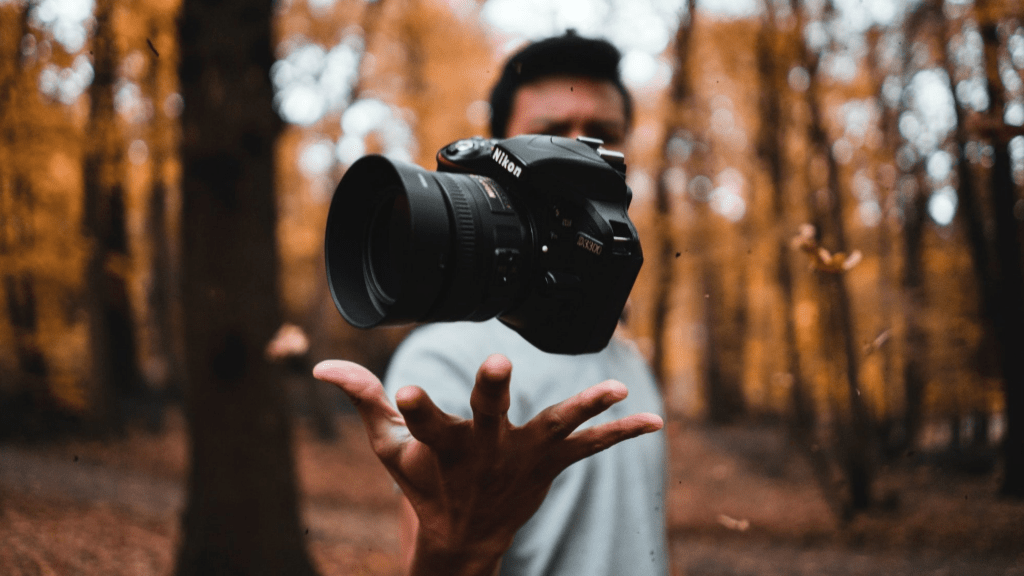
Developing as a photographer can be done in any way—there is no “right way” or “wrong way.” Some people study photography in a class or pursue a degree in fine arts from an institution. Others feel that attending college to become a photographer is a waste of time. It’s possible that you can learn what you need to know about photography on your own through books and experimentation, or you could prefer to take classes from industry experts. If you put effort into it, you can succeed in whatever you chose.
- Publish a lot of pictures! Don’t discount any possibilities or shots you might have. If many or even a few of your photographs aren’t very good, that’s okay. You’ll start to develop your own style as a photographer as you take more pictures.
#3. | Purchase the necessary tools.
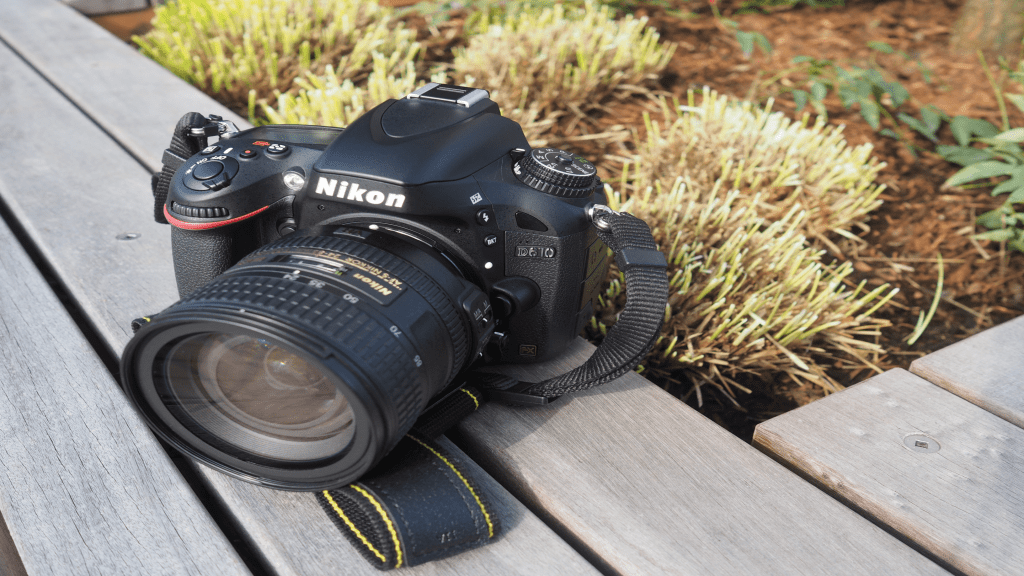
Depending on the kind of photography you perform, you’ll need a different set of lenses for various scenarios, along with one or two camera bodies. A good photo editing program will also be necessary.
- For lighting or if you want to set up an in-home studio, you might require additional gear. Once more, this is based on your area of photographic expertise.
#4. | Invest sparingly in equipment.

For producing high-quality images, having high-quality equipment is essential, but before you begin your business, you do not have to spend all of your savings on brand-new, expensive equipment. Up till you are certain that your firm will succeed, you can rent equipment, acquire used equipment in good functioning order, buy older models at a discount once a new model is released, or even borrow equipment.
- When you do have to buy equipment, make sure to retain receipts because it can be deducted from your taxes.
- Since you can reuse lenses if you ever buy a new camera and since they typically offer a greater improvement in image quality, lenses are frequently a more significant investment than camera bodies.
#5. | Know your camera inside and out.

You must feel at ease with all camera settings, warnings, and quirks before scheduling your first paid photo session. As long as your eyes are closed, you should be able to change lenses. You’ll come out as unprofessional if you fiddle with the tools, and the quality of your product can suffer as a result.
- Reading the camera manual in its whole is advised. The manual for your camera, as opposed to other photographic materials, is a great place to start learning about its features and operation.
- Practice frequently at home to improve your talents. To have a better grasp of how to take images with the tools you currently own, play around with light and shadow, try out different camera settings, and other things.
#6. | Review camera innovations and photography advice and Appropriately use editing software.

Pick up books, magazines, and online publications to learn the most latest information on camera settings, advice, and tricks. With the aid of your camera and lenses, you will learn new techniques for creating stunning pictures.
- A remote flash or other camera accessories, such as different lenses, should only be used if you are comfortable utilizing them. Your pictures will come out much better if you include a background in them.
- Even the most stunning photographs sometimes need to be somewhat altered. Utilizing top-notch editing tools will enable you to take “good” photos and turn them into “great” ones. As your clients might not like too stylized or artificially altered photographs, excessive special effects should be avoided.
- I advise making use of Photoshop, Lightroom, and CaptureOne when editing photos.
#7. | Provide what your customers desire and also you can Spend some time helping photographers through volunteer work.
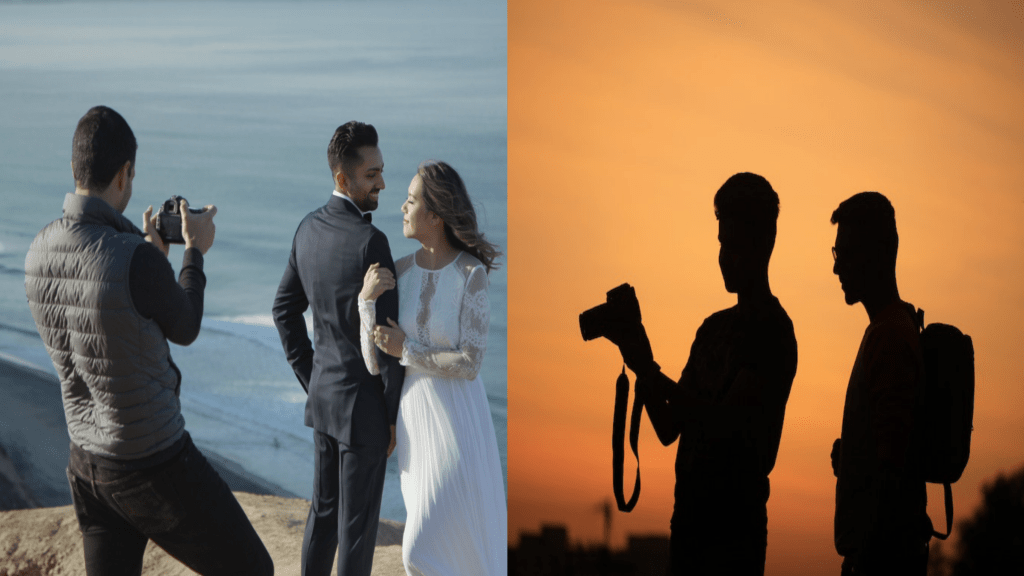
Despite the fact that your clientele might simply care about appearing well, you might like creating artistic portraits of people. Keep in mind that you must earn a living, especially at first. The best approach to accomplish this is to encourage customers to purchase prints (or digital photos with printing rights). The likelihood that someone will purchase prints of what they see increases!
- Working as an apprentice or intern for an established photographer can help you learn how to run a photography business whether you’re just getting started or are a newbie. Even while you might not agree with everything your mentor does in running her business, even if you don’t, you will still have a firm grasp of the “big picture” of running a photographic business.
#8. | Improve “how you can interact with others as a skill.” And Establish your objectives.

Dealing with customers is a big part of having a photography business. You should practice your abilities to engage people in conversation about their ideas and objectives for a photo shoot, to soothe clients who are upset or dissatisfied, and to develop repeat business.
- Decide on a few long-term goals. then decide on short-term goals that will bring you closer to your long-term goals. The short-term objectives should have a time limit or deadline and be measurable. An example of a short-term goal would be to add 5 new customers within the next 3 months. It might be simpler to achieve your larger goal of acquiring a client within a year using this.
- All of your goals should be put in paper. Studies show that writing down your goals enhances the likelihood that you’ll accomplish them.
#9. | Organize your workday.

You’ll need to be organized and ready because a lot of this will depend on your client’s wants. Think about how long the session will need to last and how much time you’ll need to spend editing images before providing a finished product to your client when planning your timetable. Recognize that certain photography genres will call for particular timetables. If you photograph weddings, for instance, you’ll likely put in a lot of late and weekend hours.
- Keep in mind that a single photo shoot requires time for travel, photography, editing, meetings, and other related activities. Because of this, it is not merely a “1 hour shoot.”
#10. | The time has come to promote your company.

Create a website, business cards, and a social media presence, and introduce your photography business to everyone you meet. By using social media regularly, you can make a name for yourself. Instagram is a great site for sharing pictures with a wide audience.
- Put a watermark on your photographs if you want them to be used for web marketing. Your customers will basically become your own personal brand ambassadors if you allow them to utilize your watermarked photographs on their individual social media profiles. Your website needs to be optimized for search engines (SEO) if you want it to appear prominently in search results.
#11. | Any fresh work chances should be accepted.

Even if it only slightly departs from your preferred area of expertise, you shouldn’t completely rule out a chance. It’s possible that you’ll find that you like something you formerly thought was outside of your comfort zone. However, you shouldn’t feel under any obligation to act simply because something presents a business opportunity.
#12. | Work along with all parties.

Attempt to network at all possible times. Make connections with everyone in your community who is involved with weddings if you are pursuing a certain speciality, such as wedding photography. Speak with and leave your business card with wedding coordinators, cake bakers, caterers, other photographers (they might have a conflict and be asked for a referral), wedding dress store personnel, etc.
- Attending an event also requires you to network (professionally). Take pictures of the cuisine during a wedding photo shoot, for instance, and provide them to the caterers. If they do, they might credit you as the photographer and use the images themselves as adverts.
- You should promote your company whenever possible, whether you’re taking the bus, waiting in line, or sharing a table at a coffee shop.
#13. | Promote customer loyalty and word-of-mouth.

To get a client to suggest you to her friends, ask her to tell them how happy she is with the images you took for her. Work on establishing a return customer base as well. As an illustration, if you took newborn baby pictures at 6 months, follow up with the family 4-5 months later to see if they’d want to plan a 1-year portrait session. Your business could expand quickly due to word-of-mouth.
#14. | Maintain your day job initially.
In a matter of weeks, you won’t likely be able to make the switch from amateur to professional photography. Before you start earning enough money to support yourself, your firm will need time to grow and become established. As a result, you might want to maintain a different source of income until you establish yourself as a professional.
- For a while, this could make things challenging for you, but you might discover that a lot of your photography work is done outside of normal working hours. As an illustration, many families plan family photography sessions for the weekends when their kids are out from school.
#15. | Examine the documents and files you have.

Obtaining a business license and starting to build your brand will be necessary before you can start working as a professional photographer. Find out what paperwork you need to have in order to legally use the title “professional” in your state or county, as well as the criteria for a business license.
- To determine the precise items you require, consult a small business attorney. Make sure you have company insurance, for instance, if you only intend to perform photography. This could include tools and health insurance for you and your staff.
- You need to be very careful when preserving records. All contracts, payments, client communications, and bills should be kept on file. Consider keeping copies of the most important documents in both physical and electronic form, and organise everything in a way that makes sense to you (by month, client name, or location, for example).
#16. | Spend money wisely.

Ledger creation, budget balancing, and opening a business bank account are all necessary. Every week you must add to your ledger every financial transaction you made over the previous seven days.
- Check your savings to make sure you have enough to last at least a year. If your business collapses or you have a business emergency as a result, you will have enough cash to get by until you locate another job.
- Be careful to keep the receipts for any expenses that are linked to your business. Your accountant can use the receipts to calculate the tax deductions for the expenses related to your business.
- Keep in mind that self-employment taxes may apply to your income depending on the legal structure of your business; you might want to set aside money from each picture shoot to cover taxes the next year.
#17. | Construct a deal.

Make sure you have a business contract that the subject must sign before you agree to go ahead with any picture shoot with them. This need to cover both the expenses their money is covering as well as your and third parties’ liability. If images are unintentionally and irrevocably erased, for instance, be sure to specify whether you are responsible for them or if, following the signing of the contract, you are no longer responsible for them.
- If you want to be on the safe side, have an attorney draft a contract for you. One more benefit of joining a photography group is that you frequently have access to a contract that has already been written and is available to group members alone.
#18. | Define your pricing.

Take into account the time needed for each shot, the cost of your equipment, the price of the prints or CD of photographs you will receive as the finished result, and your experience. Be careful not to overcharge or undercharge for your photography sessions. Setting your price too low will make you come out as desperate or ugly as a photographer, while setting your price too high would frighten away the majority of potential clients.
- Find out the prices for the services of other nearby photographers by searching their names. Based on how your skills and abilities compare to theirs, set your own price.
Hey thank you for watching The Paths In Life be sure to Subscribe, for more life topics on. the Paths In Life.
 The Paths In Life